Climate Responsive Programming for Sustaining Peace

The Cairo International Center for Conflict Resolution, Peacekeeping and Peacebuilding (CCCPA) has put together the first-of-its-kind training course with a focus on Africa and targeting African stakeholders, particularly governments and regional organizations. The course aims to enhance understanding on how to assess and respond to climate-related risks in a holistic and integrated manner to advance climate adaptation, resilience and peacebuilding, while grounding analysis and response in context-specificity and national ownership. In doing this, the training course brings together government officials from across ministries of environment, land, water, agriculture, peacebuilding, social and gender affairs and humanitarian affairs to provide them with the skills, tools and knowledge to understand the multi-faceted consequences of climate change and integrate climate-related risks in national and regional policies, programs and interventions.

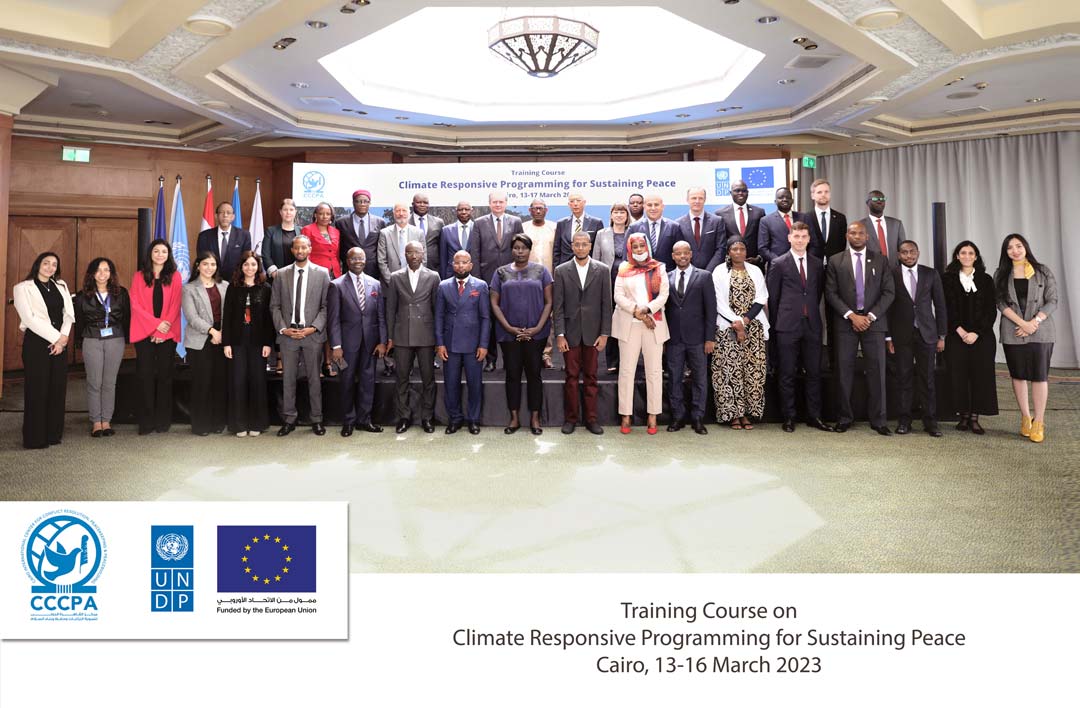
Climate Responsive Programming for Sustaining Peace - Pilot Training Course
In March 2023, CCCPA organized the first pilot training course, bringing together government officials from countries where the convergence between climate change, fragility and conflict is strongly present, such as Sudan, South Sudan, Somalia and Nigeria. Participants ranged from across the Ministry of Environment, Ministry of Agriculture and Rural Development, Ministry of Foreign Affairs, Ministry of Peacebuilding and Ministry of Gender and Social Affairs, taking a cross-sectoral approach to emphasize the cross-cutting and interlinked nature of climate change and its associated risks and enabling participants to establish wider connections and understand the complexity and comprehensiveness of climate change.
Climate Responsive Programming for Sustaining Peace - First Edition
CCCPA conducted the first edition of the “Climate Responsive Programming for Sustaining Peace” training course in partnership with the Department of Political Affairs, Peace and Security (PAPS) of the African Union Commission (AUC).
Building on the outcomes of a pilot training conducted in March 2023, the first edition of the training course contributed to the implementation of the COP27 Presidency Initiative “Climate Responses for Sustaining Peace” (CRSP), with the objective of strengthening the capacities of African countries on climate, peace and security-related issues. This iteration also came in line with the African Union Communiqué adopted by the Peace and Security Council at its 1051st meeting in November 2021, on the theme "Climate Change and Peace and Security: The Need for an Informed Climate-Security-Development Nexus for Africa."
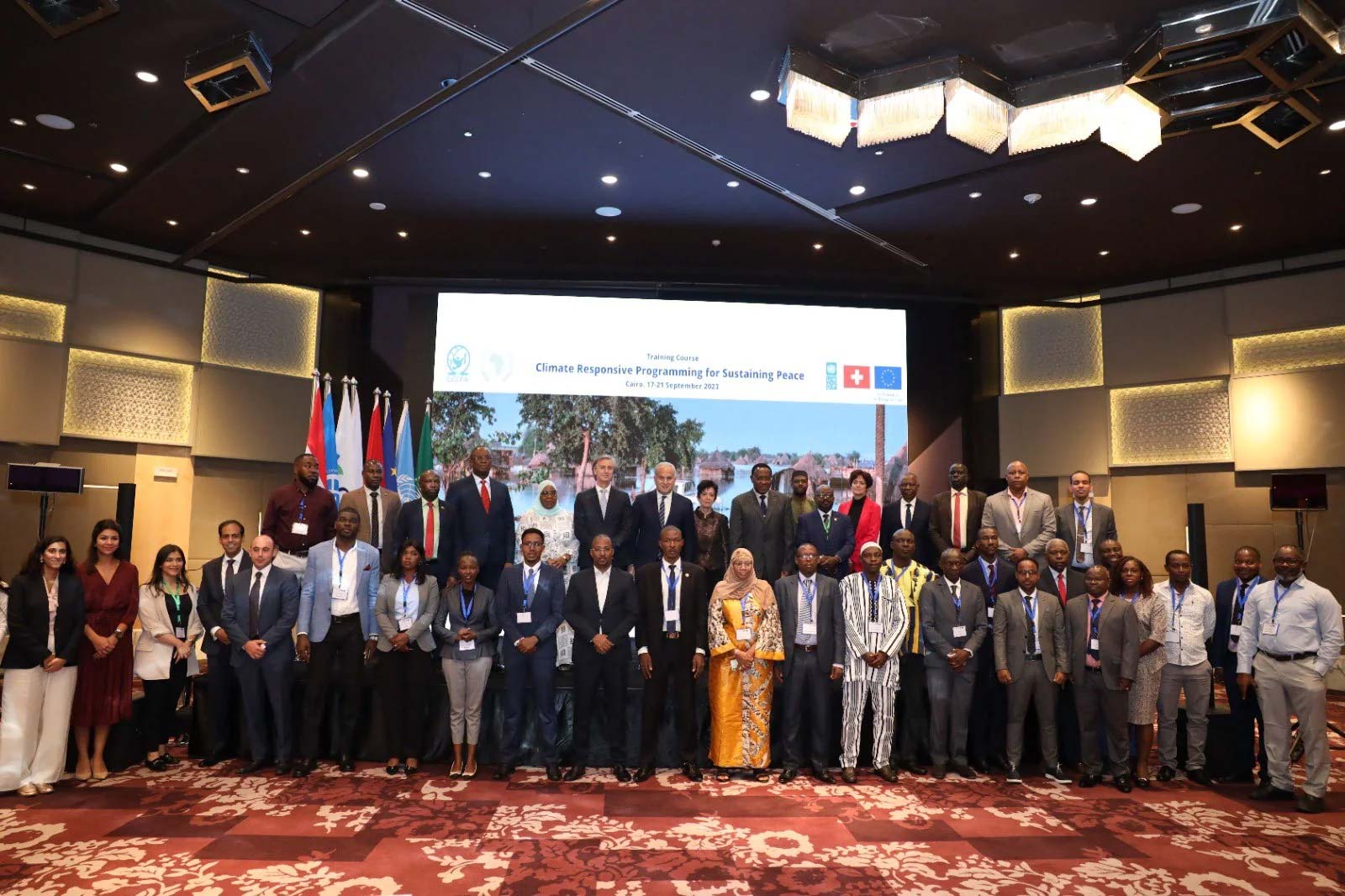
The training brought together African stakeholders from 15 African countries and regional organizations, tasked with addressing aspects of the climate, peace, security and development nexus and engaged in policymaking as well as national and regional planning in Africa.
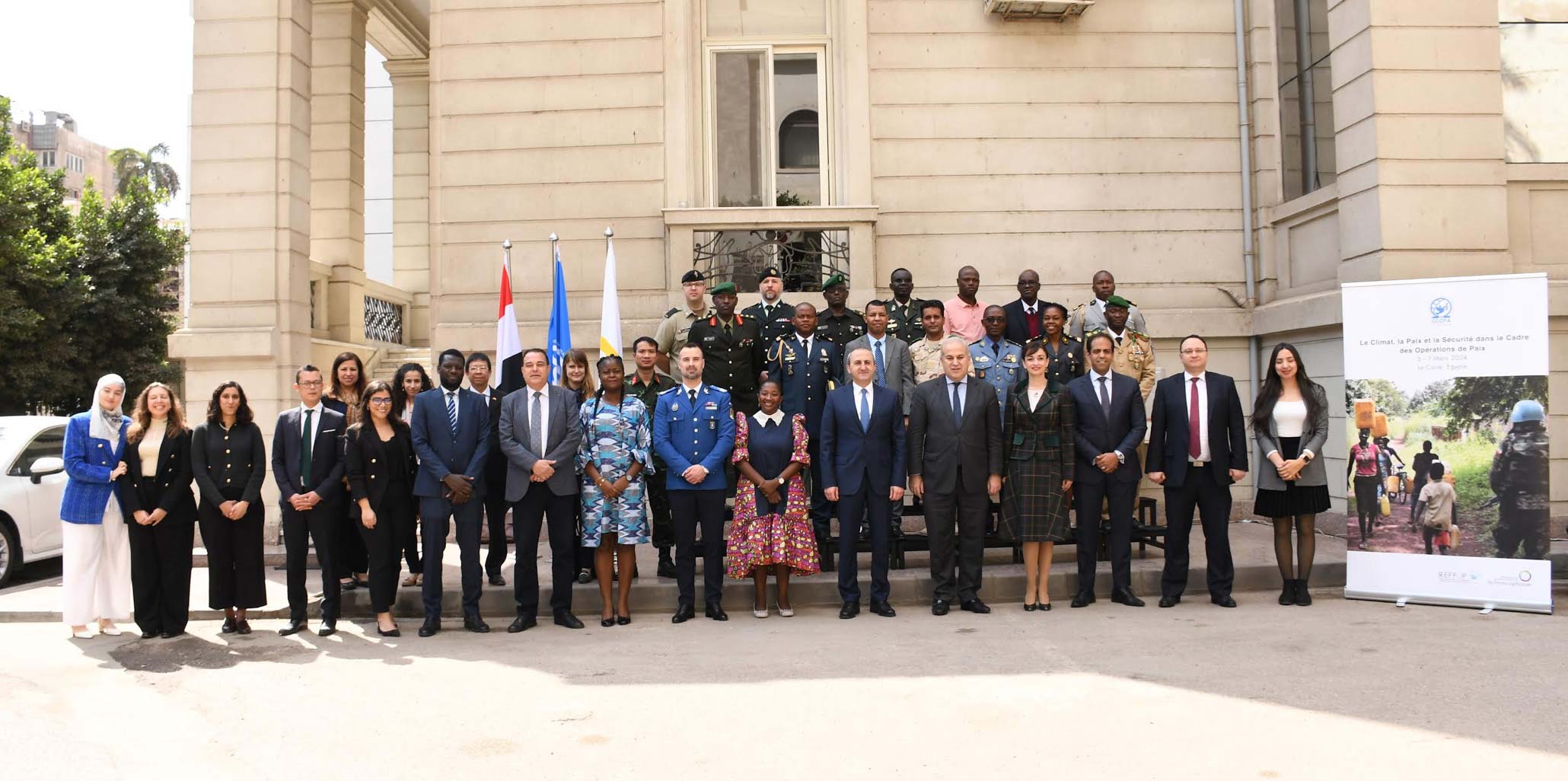
Climate, Peace and Security in the Context of Peace Operations
This training program addressed the intersection of climate, peace, and security within the context of United Nations peace operations in Africa. It was organized in partnership with the International Organisation of La Francophonie (OIF) and brought together trainers from Francophone peacekeeping training centers, which are part of the francophone network of expertise and training for peace operations (REFFOP).
Given that the largest United Nations peace operations are located in Africa, in regions that are particularly vulnerable to the impacts of climate change, the objective of the training was to contribute to a more effective and renewed approach to crisis prevention and peacekeeping. The training emphasized an integrated approach that considers not only the environmental and security dimensions, but also incorporates inclusivity and gender sensitivity. By equipping participants with the knowledge and tools to address these challenges in a holistic way, the program sought to strengthen peacekeeping efforts and better prepare them to navigate the growing threats posed by climate change in Africa.
Enhancing Congolese capacities in responding to peace, security and development risks associated with climate change in the DRC
The CCCPA, in collaboration with the Congolese Ministries of Foreign Affairs and Environment, organized a five-day training program in Kinshasa, Democratic Republic of Congo (DRC). The event gathered 24 participants from various Congolese ministries and focused on both the theoretical and practical aspects of the intersection between climate change, peace, and development in the DRC. The training program featured in-depth discussions on the different aspects of the climate-security nexus. In addition, the program included a practical, on-the-ground perspective, with expert contributions featuring the United Nations Regional Office for Central Africa (UNOCA), the United Nations Office on Drugs and Crime (UNODC), and the International Organization for Migration (IOM), as well as a session by the DRC’s chief climate negotiator to the UNFCCC.
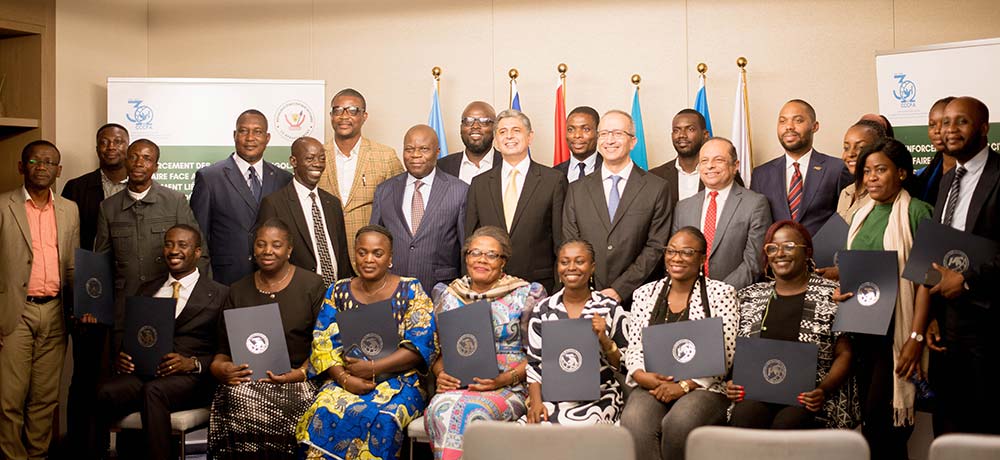
This training came as an implementation of the COP27 presidency’s Climate Responses for Sustaining Peace (CRSP) initiative and the Conclusions of the Fourth Edition of the Aswan Forum for Sustainable Peace and Development
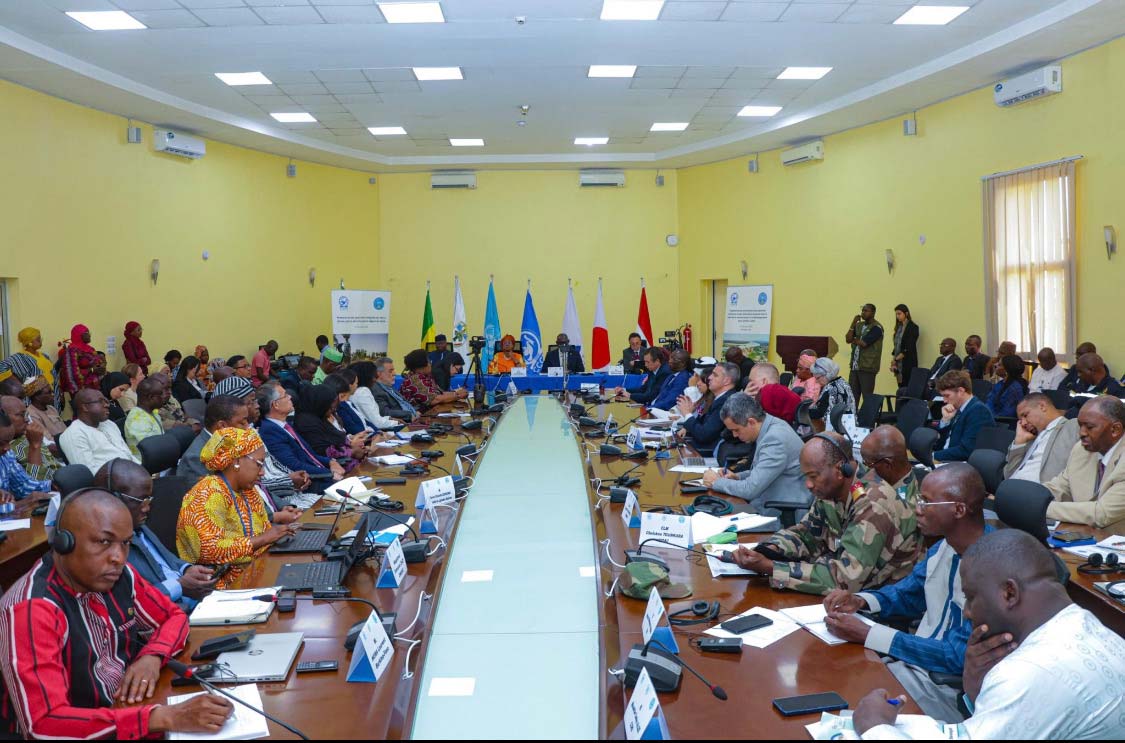
Advancing Integrated Approaches to Climate, Peace and Security in the Sahel Region
CCCPA, in partnership with the Government of Mali and the Liptako Gourma Authority, the Climate Commission for the Sahel Region and MISAHEL, held a capacity-building programme titled “Advancing Integrated Approaches to Climate, Peace and Security in the Sahel Region”, in March 2025 in Bamako, Mali. The training brought together national representatives from Mali, Burkina Faso and Niger, from the ministries of Foreign Affairs and Environment, as well as experts specialized in post-conflict reconstruction and development. The training aimed to advance inclusive and comprehensive post conflict reconstruction and development efforts in the Central Sahel Region through an integrated climate lens while prioritizing the building and strengthening of community resilience.