Climate Risk Assessments and Analyses

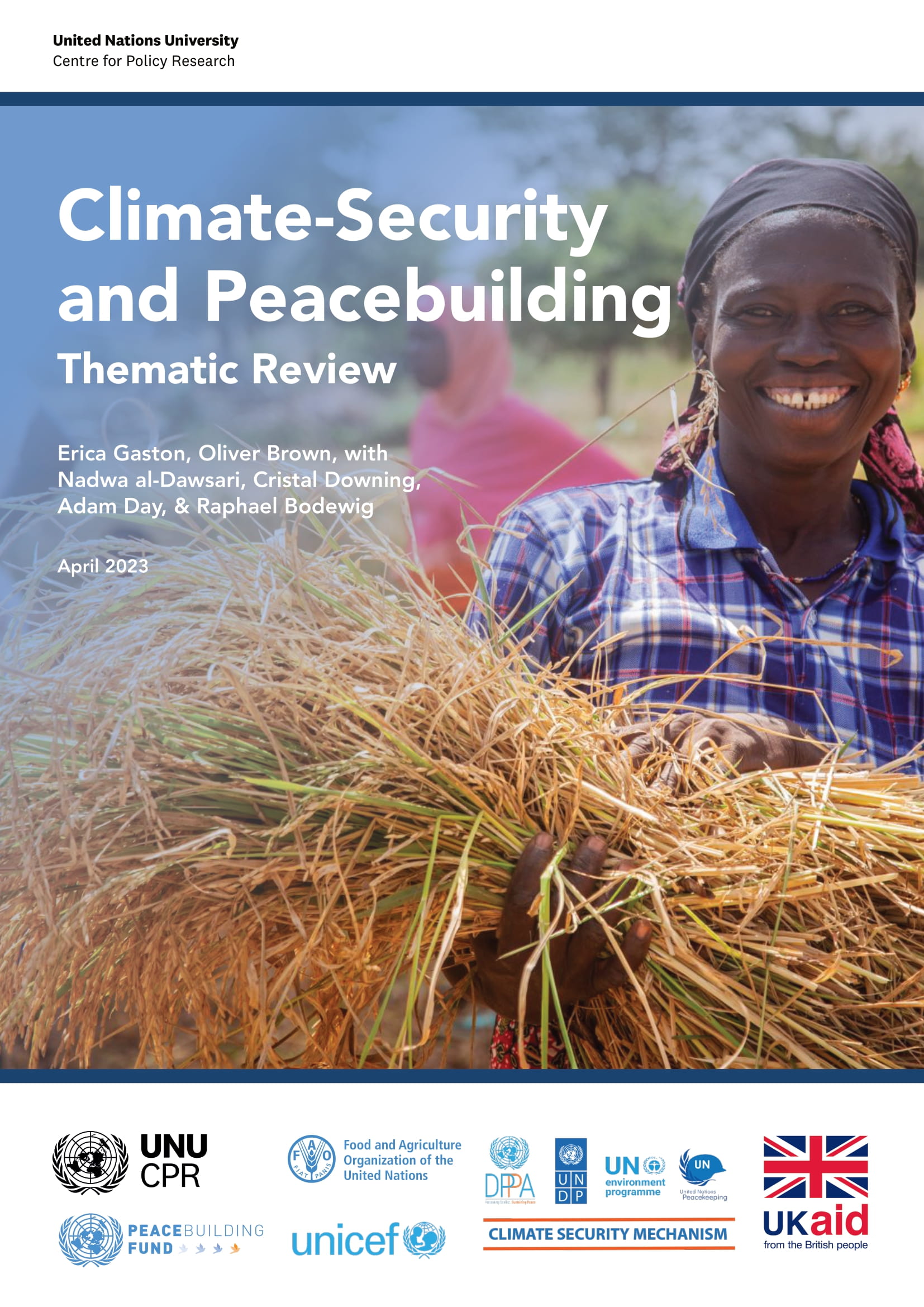
Climate-Security and Peacebuilding: Thematic Review
The 2023 Thematic Review on Climate Security and Peacebuilding, commissioned by PBSO in partnership with FAO, UNICEF, Climate Security Mechanism and the UK, and led by the UN University’s Centre for Policy Research, distills trends and lessons from climate-security and environmental peacebuilding programming supported by the Peacebuilding Fund, and suggests guidance for future investments in climate-security efforts in fragile and conflict affected contexts.
Download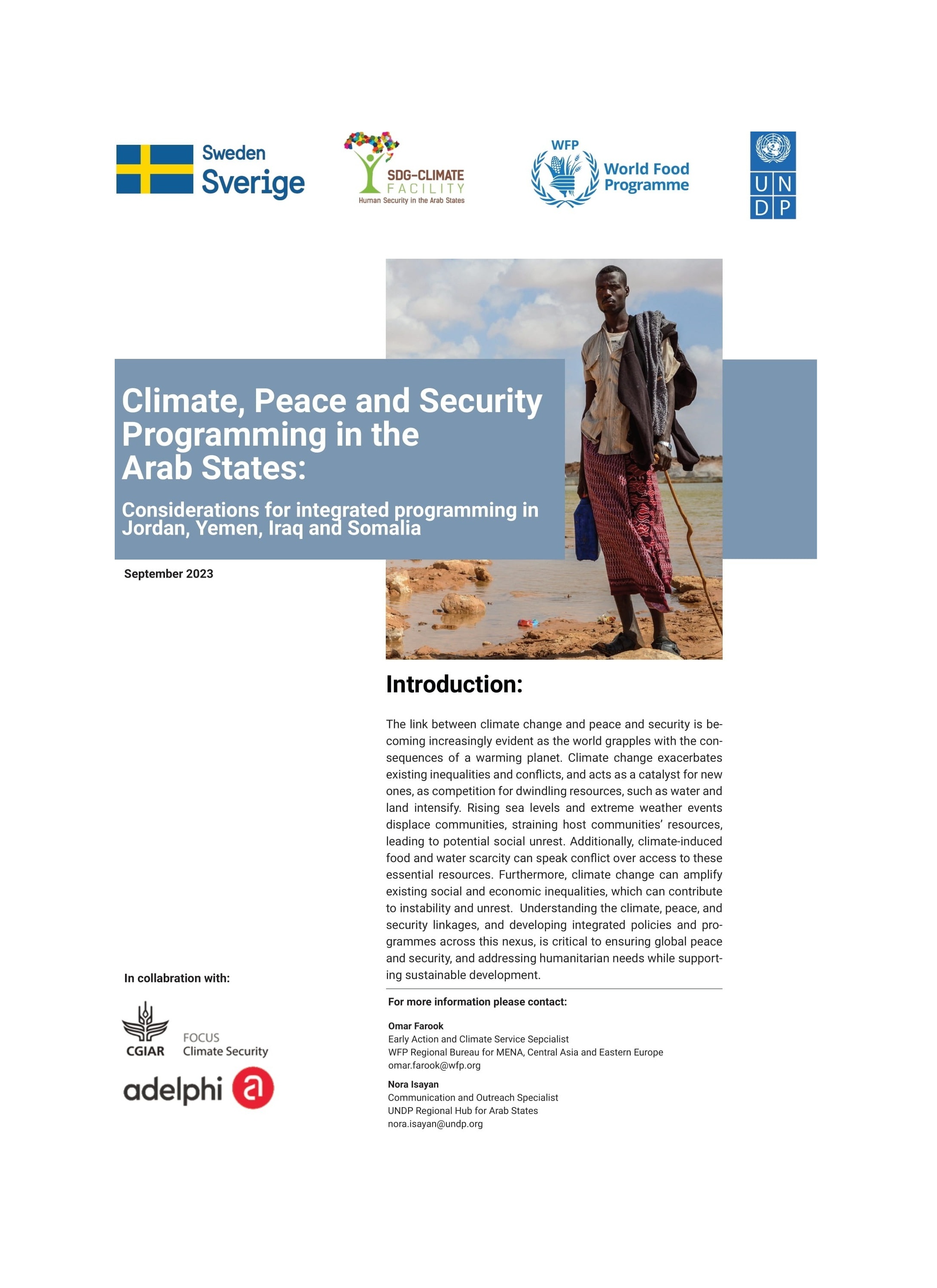
Climate, Peace and Security Programming in the Arab States: Considerations for integrated programming in Jordan, Yemen, Iraq and Somalia
As part of the ‘SDG-Climate Facility: Climate Action for Human Security’ project which is funded by the Swedish International Development Agency (Sida), in 2021 WFP and UNDP initiated a research initiative to investigate integrated climate, peace and security programming in the Arab States, focusing on Jordan, Yemen, Syria, Somalia and Iraq. Conducted by the CGIAR FOCUS Climate Security research consortium, the research investigated the extent to which climate-related security risks are integrated in country policies, strategies and recovery plans across 5 Arab States, it also made policy and programmatic recommendations to advance this critical work. The research has highlighted priority opportunities and good practices for advancing integrated climate, peace and security programming in the region. The findings summarized in this report are rooted in key informant interviews and validation workshops with government stakeholders and provide critical insights for taking this work forward to meet national needs.
Download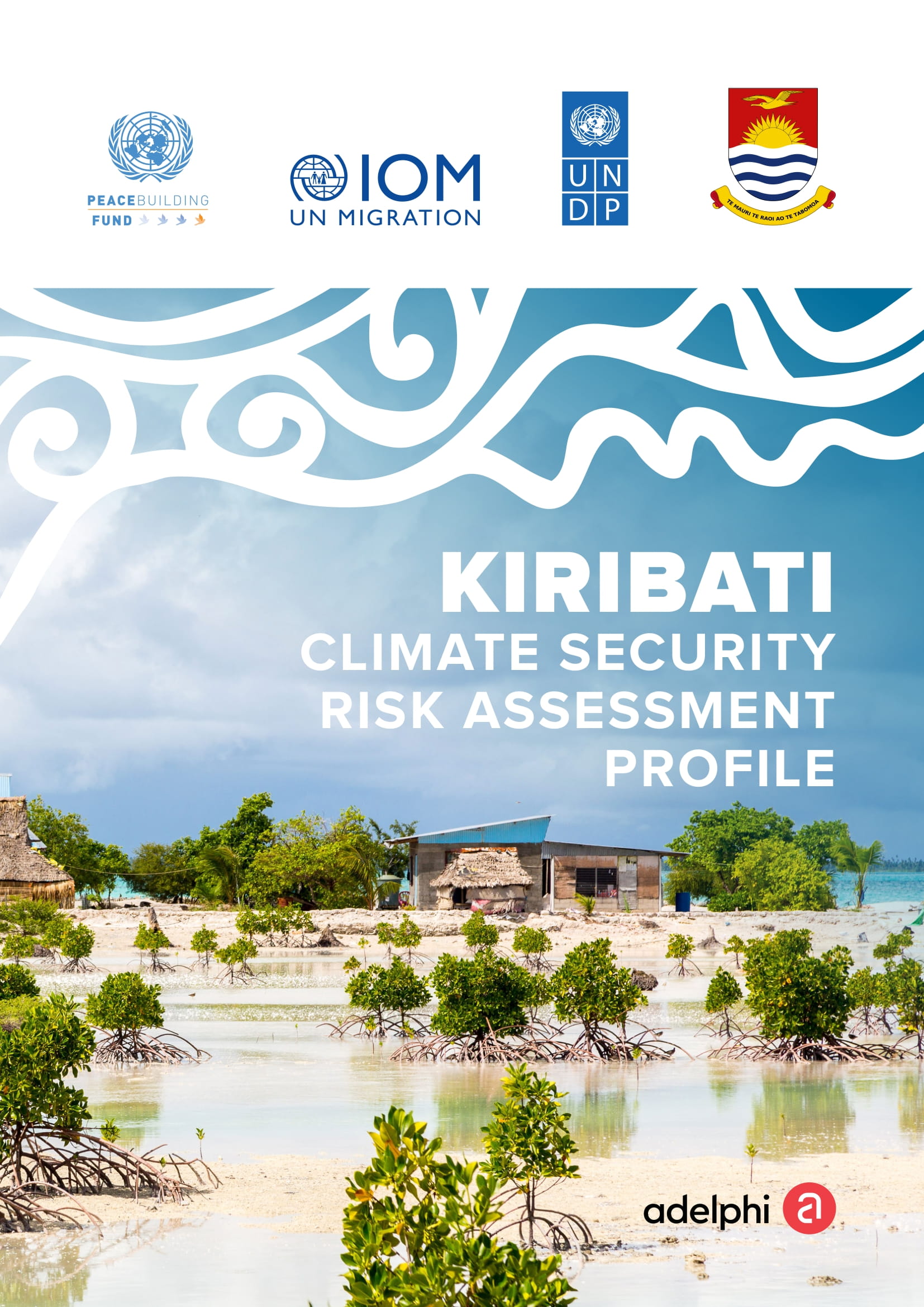
Climate security risk assessment profile: Kiribati
The preliminary high-level summaries Climate Security Risk Assessment Profile aims to improve the understanding of national climate-related security risks and to guide national, regional and international partners in their efforts to respond to climate-related security challenges.
The report outlines the key findings and priorities to be addressed in Pacific atoll nations in relation to the security implications of climate change.
Download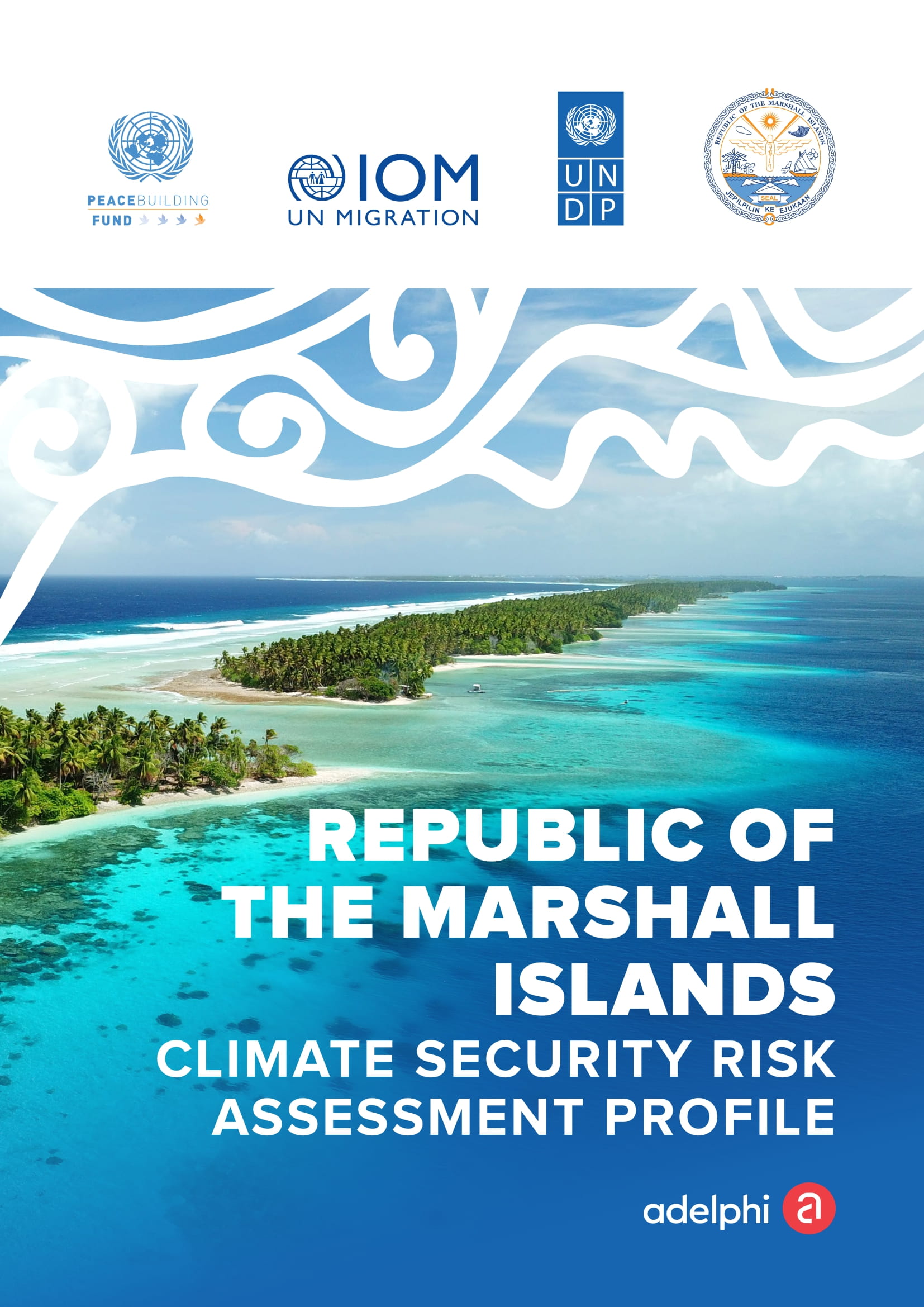
Climate security risk assessment profile: Republic of The Marshall Islands
The preliminary high-level summaries Climate Security Risk Assessment Profile aims to improve the understanding of national climate-related security risks and to guide national, regional and international partners in their efforts to respond to climate-related security challenges.
The report outlines the key findings and priorities to be addressed in Pacific atoll nations in relation to the security implications of climate change.
Download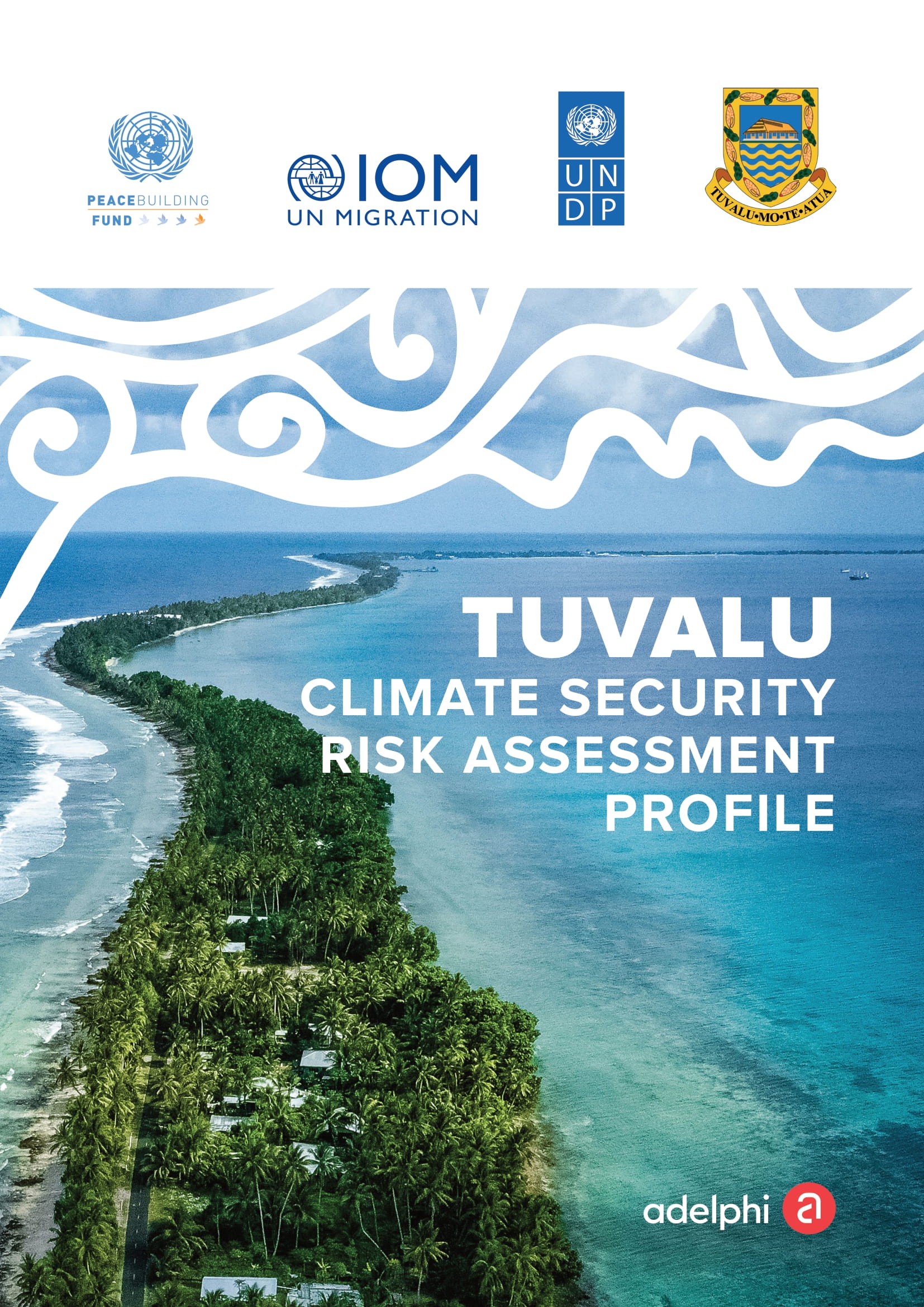
Climate security risk assessment profile: Tuvalu
The preliminary high-level summaries Climate Security Risk Assessment Profile aims to improve the understanding of national climate-related security risks and to guide national, regional and international partners in their efforts to respond to climate-related security challenges.
The report outlines the key findings and priorities to be addressed in Pacific atoll nations in relation to the security implications of climate change.
Download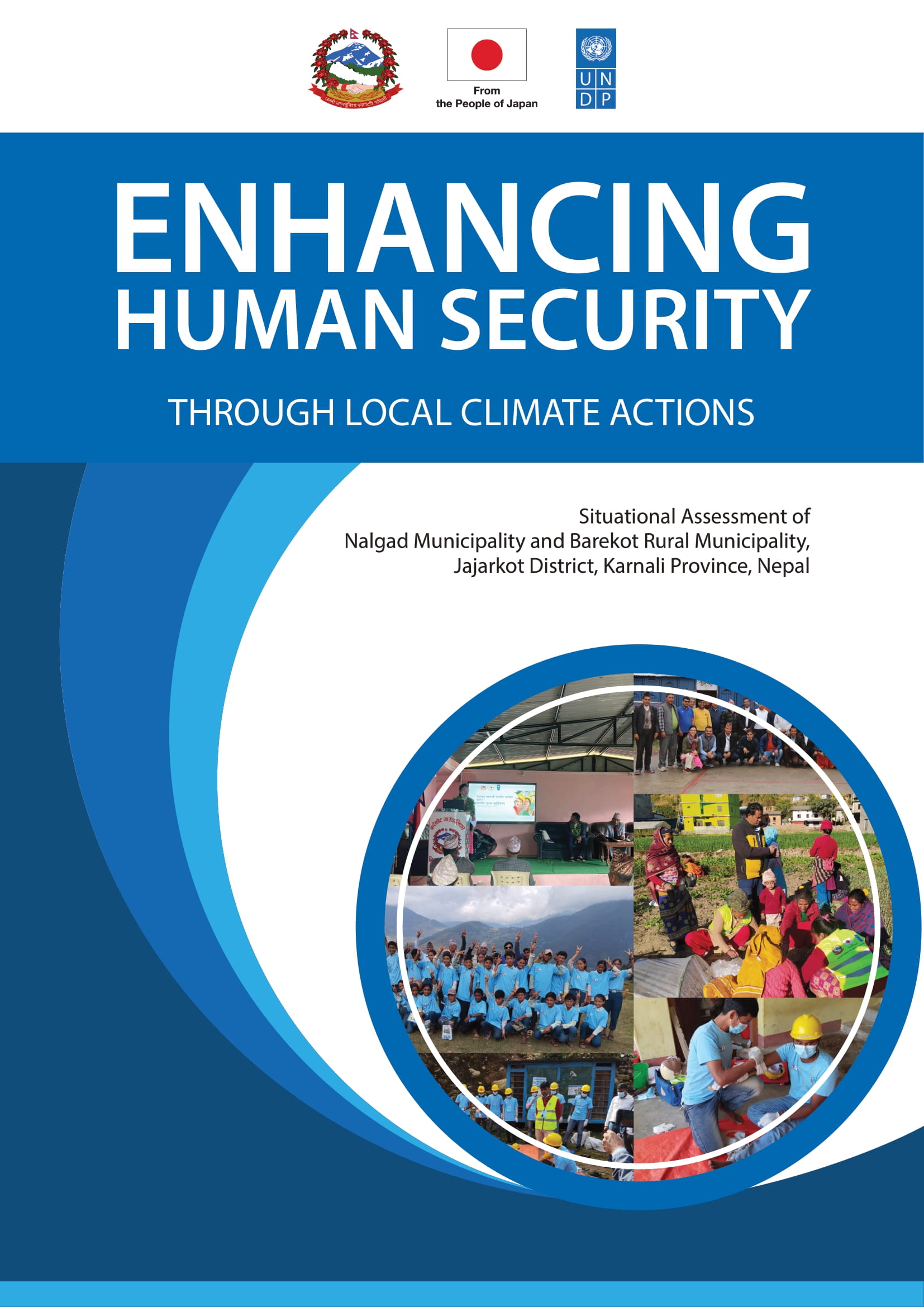
Enhancing Human Security Through local climate actions
The Enhancing Human Security through Local Climate Actions project strengthens climate adaptation and resilience at the local level, integrating human security considerations. It focuses on adaptive agriculture, energy, early warning systems, community infrastructure, and capacity building. Lessons learned will be transformed into knowledge products to inform and replicate best practices. The one-year project targets municipalities in Jajarkot and Rukum West districts, Karnali Province.
The report provides a Situational Assessment of Nalgad Municipality and Barekot Rural Municipality in Jajarkot District.
Download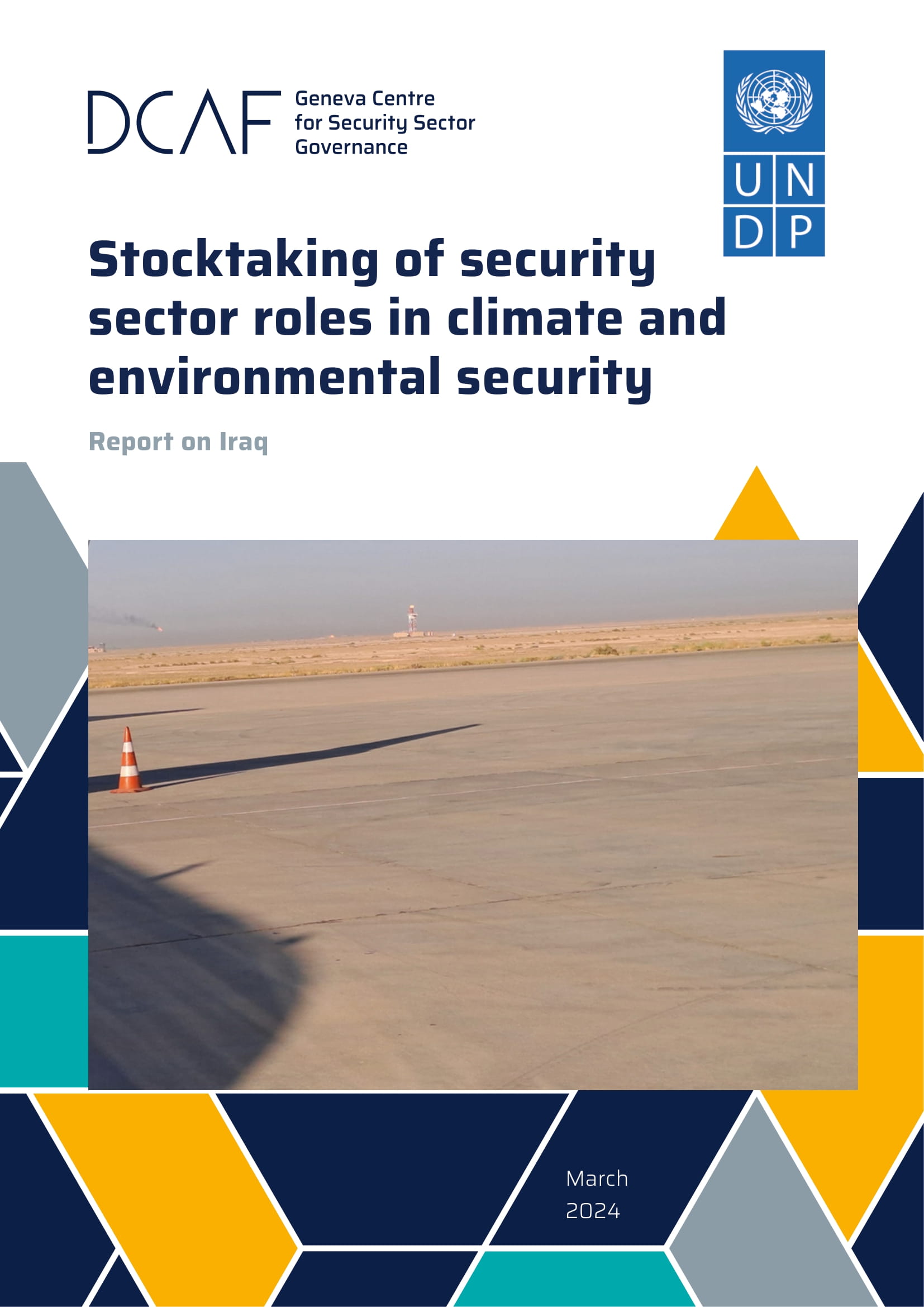
Stocktaking of security sector roles in climate and environmental security: Report on Iraq
Iraq is facing a range of climate and environmental risks, whose impacts on security are becoming increasingly apparent. From rising temperatures and water scarcity to widespread pollution and biodiversity loss, the combined effects of climate change and human pressures on the environment are contributing to local unrest, tensions and increasing different dimensions of fragility.
This stocktaking study explores the significant potential in the Iraqi reform process to improve service delivery of security institutions regarding mitigating and adapting to the impact of climate and environmental risks on communities and the environment, as well as strengthening social cohesion and contributing to sustainable peace.
Download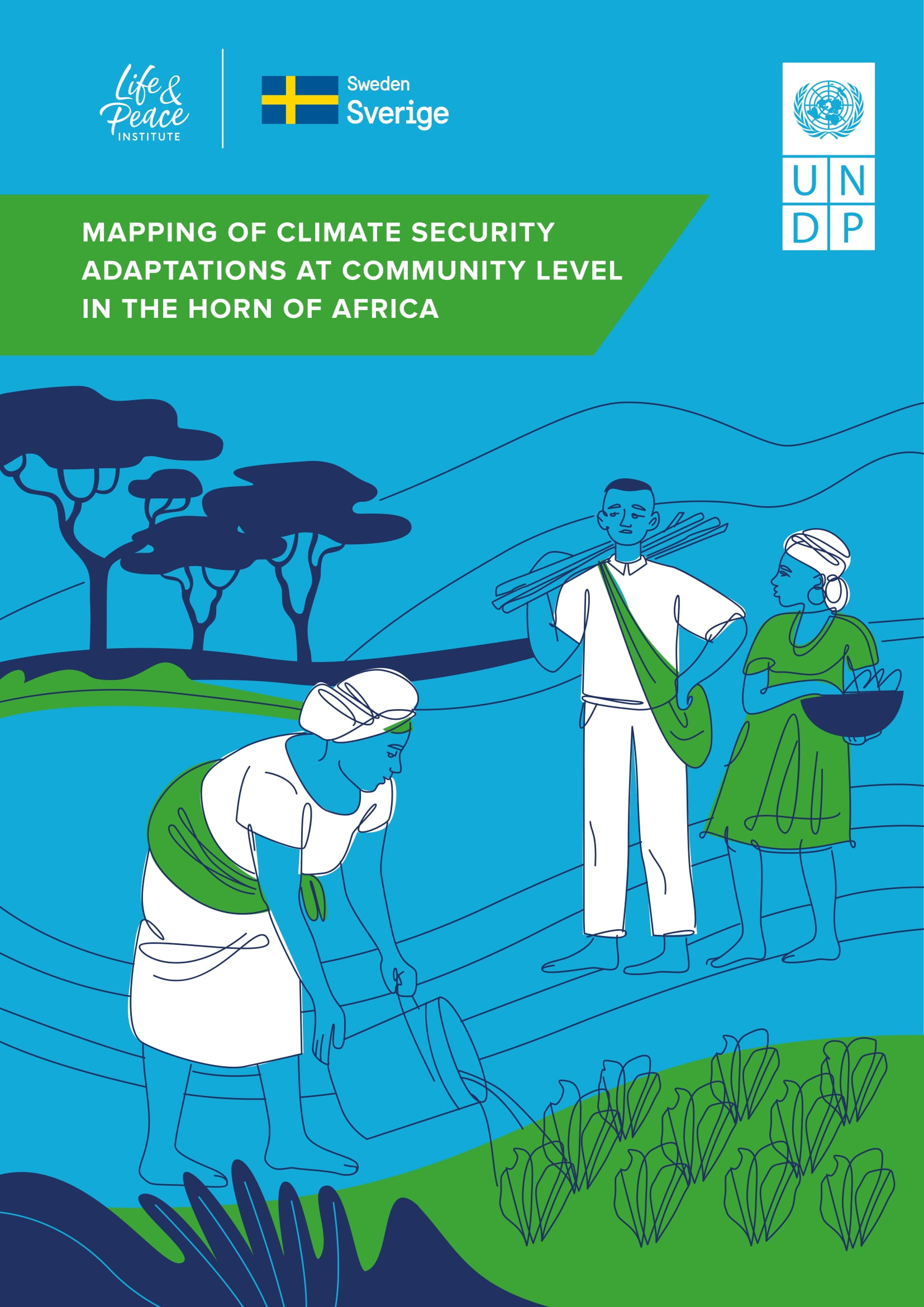
Mapping of Climate Security Adaptations at Community Level in the Horn of Africa
UNDP and the Life & Peace Institute jointly conducted a mapping study on climate security adaptations at the community level in the Horn of Africa, with a special focus on Kenya (Laikipia, Marsabit, and the Coastal region), Uganda (Karamoja), and Ethiopia (Gambella and South Omo).
Based on field-collected data and evidence, the study aims to identify climate-related security risks, deepen the understanding of how communities experience climate change, and map integrated, community-led climate security solutions.
Download
Regional Climate Security Stakeholder Dialogue - "Towards an Integrated Climate Security Framework for the Arab Region"
This report provides a summary and overview of the proceedings and results of the Regional Climate Security Stakeholder Dialogue “Towards an Integrated Climate Security Framework for the Arab Region”, hosted online by the Arab Water Council, the League of Arab States, and UNDP from December 6th-8th, 2020. The event was one of the milestones of the SDG-Climate Facility Project, implemented by the host organizations and other UN partner organizations and funded by Sida. The three-day event included a day of introductory presentations and two days of interactive workshop activities that engaged participants in drafting a “Regional Policy Framework for Climate Security” in the Arab region.
Download
Regional Stabilization Strategy for the Liptako-Gourma Region Information Brief: September 2022
As Liptako-GOurma Member States step up their efforts to bring stability to the region, there is a pressing need for an overarching framework under which stabilization interventions takes place, offering a dedicated strategic backbone that outlines the purpose, principles, and partners of stabilization, with coordination mechanisms and risk management procedures. This is the aim of the Regional Stabilization Strategy for the Liptako-Gourma Region. Specifically, the strategy lays out the core principles of stabilization – government-led, strengthening the social contract, speed and scale, conflict sensitivity and doing no harm, among others.
Download
Roots for peace: Uncovering climate security challenges in Haiti and what to do about them
In 2022, the United Nations and Haiti’s Ministry of the Environment took the initiative to establish the Haiti Climate Security Working Group, bringing together UN agencies, international organisations, Haitian government institutions and civil society organisations. To help guide the work of this group, adelphi led a collaborative effort to undertake a study mapping out the linkages between climate, peace and security in Haiti, applying the methodology of the Weathering Risk initiative. This policy brief presents some of the key findings of the study and proposes a new approach with an explicit focus on climate and peacebuilding, and with inclusion at its heart, to help address Haiti’s climate security challenges.
Download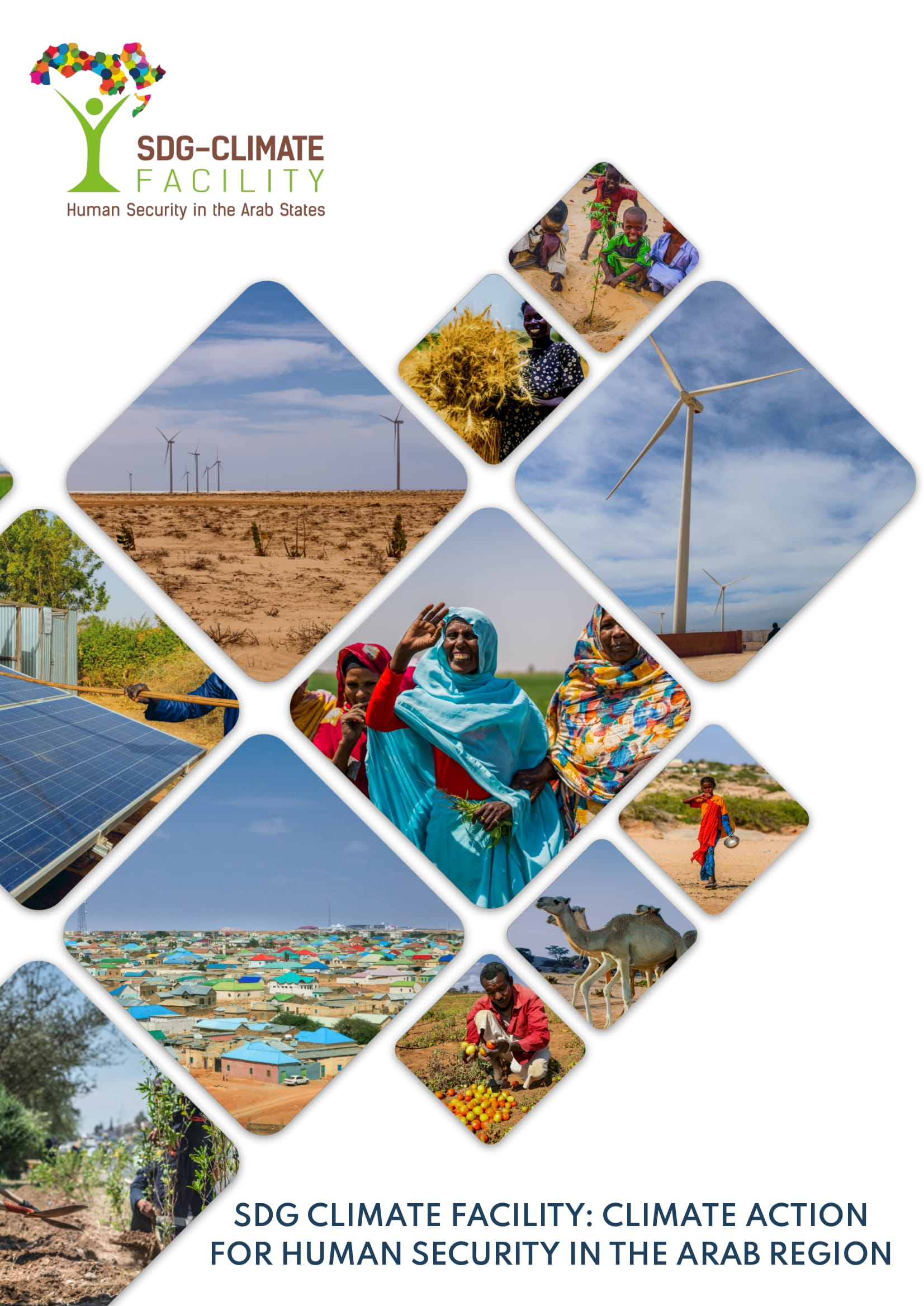
SDG Climate Facility: Climate Action for Human Security in the Arab Region
With financial support from the Swedish International Development Agency (Sida), the SDG-Climate Facility is a multi-partner platform focusing on the impacts of climate change on human security in the Arab region, especially in the context of countries in crisis. It brings the UN Development Programme (UNDP) together with the League of Arab States (LAS), the Arab Water Council (AWC), the UN Office for Disaster Risk Reduction (UNDRR), the UN Environment Programme Finance Initiative (UNEP-FI), the UN Human Settlement Programme (UNHabitat) and the World Food Programme (WFP) to deliver climate oriented solutions that address climate challenges, and to bring co-benefits across the SDGs. In doing so, it aims to scale up access to and delivery of climate finance, including through innovative partnerships with the private sector.
Download
Effects of the security crisis on Human Development in Burkina Faso
This report presents the main results of the study on the "effects of the security crisis on human development in Burkina Faso". This study was carried out by the "Studies and Research" unit of the CIEREA-PTCI and benefited from funding from the UNDP-Burkina Faso.
Download
Climate, peace and security assessment: Mali
This comprehensive assessment explores the complex links between climate change, conflict, and inequality in Mali. Drawing on field research, climate projections, and stakeholder interviews, the report identifies how climate variability exacerbates insecurity, undermines livelihoods, and compounds social and gender inequalities. It highlights four key climate-conflict pathways and offers actionable recommendations for government, civil society, and international partners. The report provides critical insights to support conflict-sensitive climate adaptation and peacebuilding efforts in one of the Sahel’s most climate- and conflict-affected countries.
Download.jpeg)
Action Plan of the National Climate Security Strategy of Burkina Faso (2024 - 2026)
This Action Plan operationalizes Burkina Faso’s National Climate Security Strategy for 2024–2026, focusing on the peace-climate-security nexus. It aims to strengthen human security and resilience in the face of increasing climate-related risks, including droughts, floods, and resource-based conflicts. The Plan outlines four strategic pillars: climate security governance, sustainable natural resource management and climate justice, human protection from disasters and crises, and improved access to climate finance. Developed through a participatory process, the Plan emphasizes inclusion, gender equity and sustainable development, contributing to national, regional and international frameworks for climate adaptation and peace.
Download